The future of the world

A new platform
for global growth

Russia
BRICS
Global South

Russia invites partners to contribute to the formation of a new global growth model

Together, we will ensure the prosperity of our countries and the stable development of the entire world for many years to come. It is for this purpose that we held an Open Dialogue in Moscow this year, in which representatives of more than one hundred countries took part. We intend not only to make this format regular, but also to build an entire ecosystem around it for discussing, developing and implementing breakthrough ideas. The global challenges facing the modern world require an unconditional and global response. Solving the problem alone, especially at someone else’s expense, is simply impossible – to think otherwise is just an illusion.

V.V. Putin

Hello

Let's make the world better together

Events
2026-2027

2026

12 November – 31 December

Application campaign and essay submission in the participant account

2027

February –
April

Preparation for in-person participation (for shortlisted authors)

2027

April

Participation in the in-person stage: the business programme of the Open Dialogue “The Future of the World. A New Platform for Global Growth”, Moscow

about the project

define how the economy will develop in the coming years

The National Centre “Russia” in partnership with the TRIM Center of Expertise are implementing a large-scale international project “The Future of the World. A New Platform for Global Growth” in the format of an open dialogue The National Centre “Russia” in partnership with the TRIM Center of Expertise are implementing a large-scale international project “The Future of the World. A New Platform for Global Growth” in the format of an open dialogue

  • Discussion participants: Russian and foreign representatives of analytical centers, higher education, government institutions, business associations, science and journalism

    100+

  • Anyone may submit a short essay with their hypotheses. We invite the authors of the best essays to take part in the Open Dialogue

  • Submit your essay on one of the topics: investment in people, investment in technology, investment in the environment and connectivity

    participant brief

The world of the future: how will we create it? The world of the future: how will we create it?

September 23, 2026 September 23, 2026

Broadcasts & Records

experts
of open dialogue

Russia

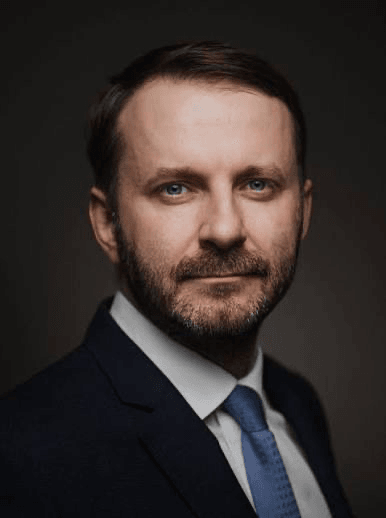
Maxim Oreshkin

  • Speaker
  • Expert

Deputy Chief of Staff of the Presidential Executive Office of the Russian Federation

UAE

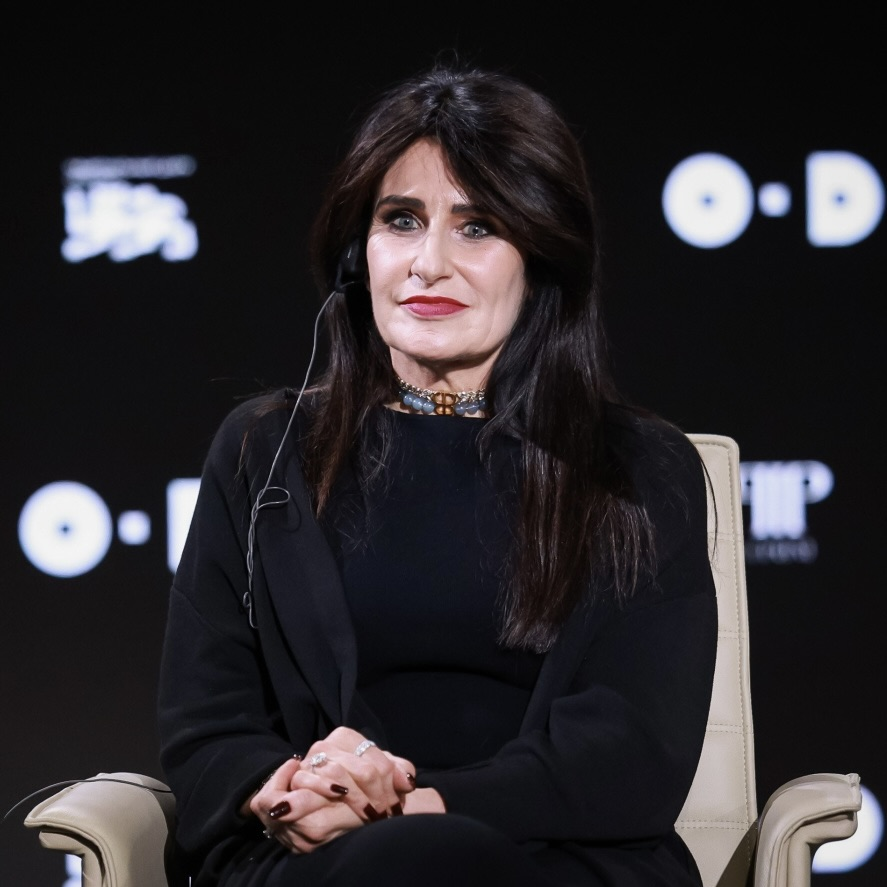
Dr. Selina Neri

  • Speaker
  • Expert

CEO, Dean & Co-Founder, Future Readiness Academy; Visiting Professor, Moscow School of Management SKOLKOVO

Singapore

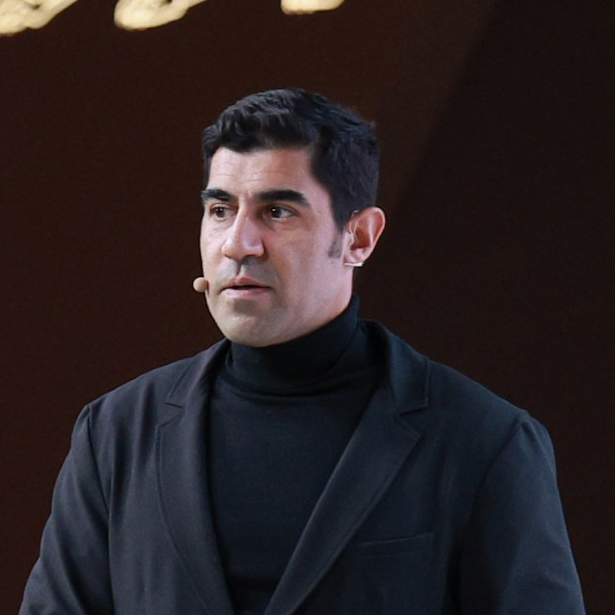
Dr. Parag Khanna

  • Speaker
  • Expert

Global strategist, world traveler, best-selling author. Founder & CEO of AlphaGeo

USA

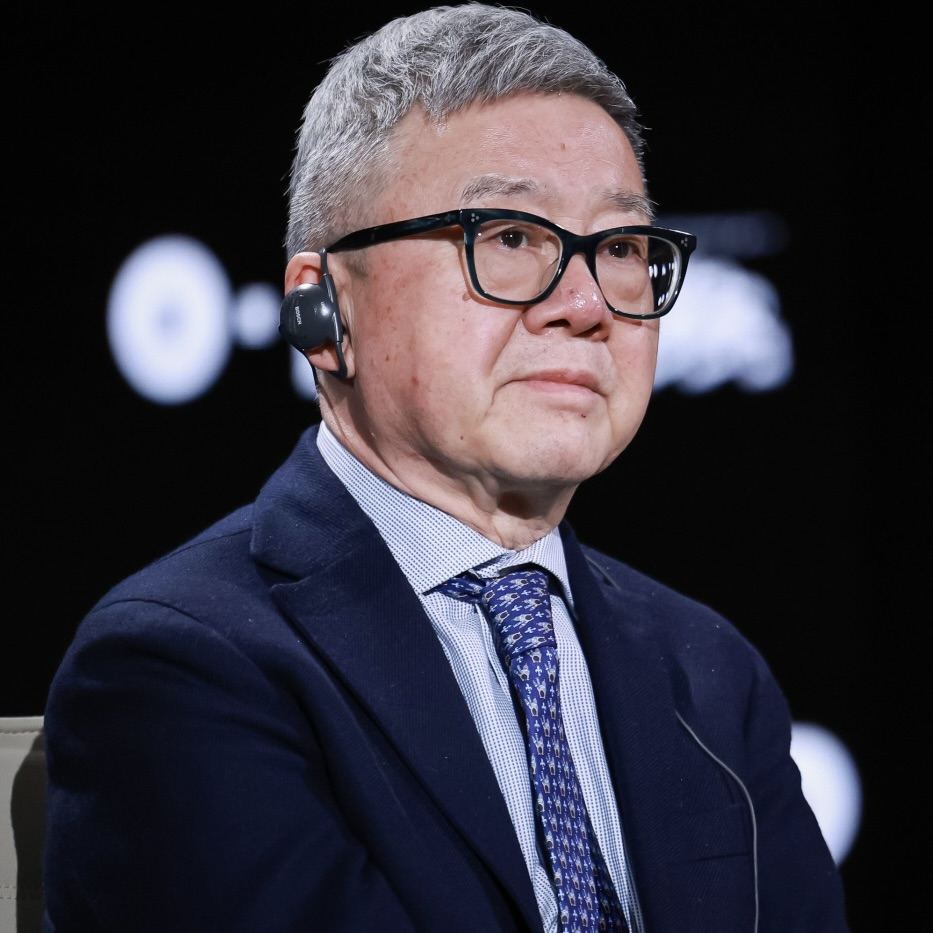
Prof. Wang Feng

  • Speaker
  • Expert

Distinguished Professor, University of California, Irvine

Investments in Human Capital

2026–27

Human Development

Education is changing its place in human life. Executive functions are shifting to algorithms and AI agents, while the human role moves toward setting tasks, oversight, and evaluating the result. AI narrows the gap in labor productivity, but it does not necessarily develop human capital, and the traditional way into a profession is under threat. Which approaches and projects will build continuous renewal of competences and preserve a person’s ability to set goals independently?

Show topics Hide topics
  1. the ability to set goals and make decisions independently amid the widespread use of algorithms;
  2. humans and AI in the new organization of work: the allocation of roles, task setting, and responsibility for the result;
  3. the shift from one-time education to continuous renewal of competences;
  4. who pays for and organizes skill renewal: the worker, the employer, or the state;
  5. entering a profession: pathways for young people where hiring shrinks because of AI;
  6. demographic constraints and the role of education in reproducing human capital;
  7. how to measure the return on investment in training and competences.

Health Management

A long life does not guarantee the preservation of health, memory, and independence. According to a WHO estimate for 2023, the gap between life expectancy and healthy life expectancy worldwide exceeds ten years. Researchers are looking for ways to act on the mechanisms of aging, while digital technologies are changing how care is organized. Continuous health management brings together prevention, timely treatment, and support for chronic conditions. Which solutions and investments will extend healthy life and make active longevity accessible?

Show topics Hide topics
  1. from treating age-related diseases to acting on the mechanisms of aging;
  2. partial cellular reprogramming and tissue restoration: clinical prospects;
  3. cognitive longevity: memory, thinking, and independence in later years;
  4. prevention and control of risk factors: incentives for the person and for the system;
  5. who organizes and pays for prevention and long-term support;
  6. continuous health management with AI and digital platforms;
  7. accessible longevity: how to reduce inequality in access to prevention and treatment;
  8. how to assess the return on investment in active longevity.

Life Around Us

What will a person no longer have to do in 30 years? Which everyday tasks will disappear, how much time and effort will technologies free, and where will the line fall between convenience and losing control over one’s own life? Digital platforms and AI agents are already changing the organization of everyday life.

Show topics Hide topics
  1. convenience for everyone: will digital platforms and services reduce social and territorial inequality or create new barriers;
  2. a city without borders: how digital platforms shape a new geography of work, services, and travel across municipal and regional boundaries;
  3. residents design the cities of the future: how technologies turn the needs of city dwellers into decisions about the development of the environment;
  4. mobility without planning: do platforms let people choose only where to go — and not think about how;
  5. the end of the interface era: AI agents instead of dozens of websites and applications;
  6. finance without complex choices: delegating everyday decisions to AI agents;
  7. the price of convenience: who controls the decisions of AI agents, and how to preserve freedom of choice, privacy, and control over one’s own life.

Content in a New Era

Culture determines the images of the future that a society lives by. A country may have a rich culture and a huge audience, yet be limited in creating and distributing its own meanings if funding, content rights, audience data, and distribution channels are controlled from outside. The Global South already creates more creative goods, but it loses out in creative services and meanings. Which solutions will allow authors and countries to strengthen cultural sovereignty and convey their own meanings and images of the future?

Show topics Hide topics
  1. who formulates images of the future: the author, society, the state, or a platform;
  2. concentration of rights and distribution channels: dependence on a narrow circle of companies;
  3. who sets the rules and who receives the income from cultural production;
  4. how to make local narratives visible without losing their meaning;
  5. algorithmic visibility as a factor of sovereignty;
  6. the risks of polarization and the devaluation of local values;
  7. own platforms and support for original content;
  8. the role of the state: funding, protection of rights, and access to the audience;
  9. from the export of creative goods to the export of meanings;
  10. international cooperation and cultural exchange;
  11. protecting cultural space without losing creative freedom.
watch all

We'reonsocials

telegram

@opendialogrussia

first
results

Submit an essay
Participants
102
Languages
20
Essays
1638
Countries
43
Learn more all essays

Open Dialogue 2026 outcome report

People, technology, globalization: a new frame of reference

We use cookies to improve the site. By continuing to use the site, you agree to the privacy policy and cookie processing